
Social media has become one of the most powerful tools for attracting and retaining customers in the food industry. Restaurants, cafés, and food brands rely heavily on visual storytelling to showcase their products, atmosphere, and brand personality. Platforms such as Instagram and TikTok allow businesses to connect directly with their audiences while building strong digital communities.
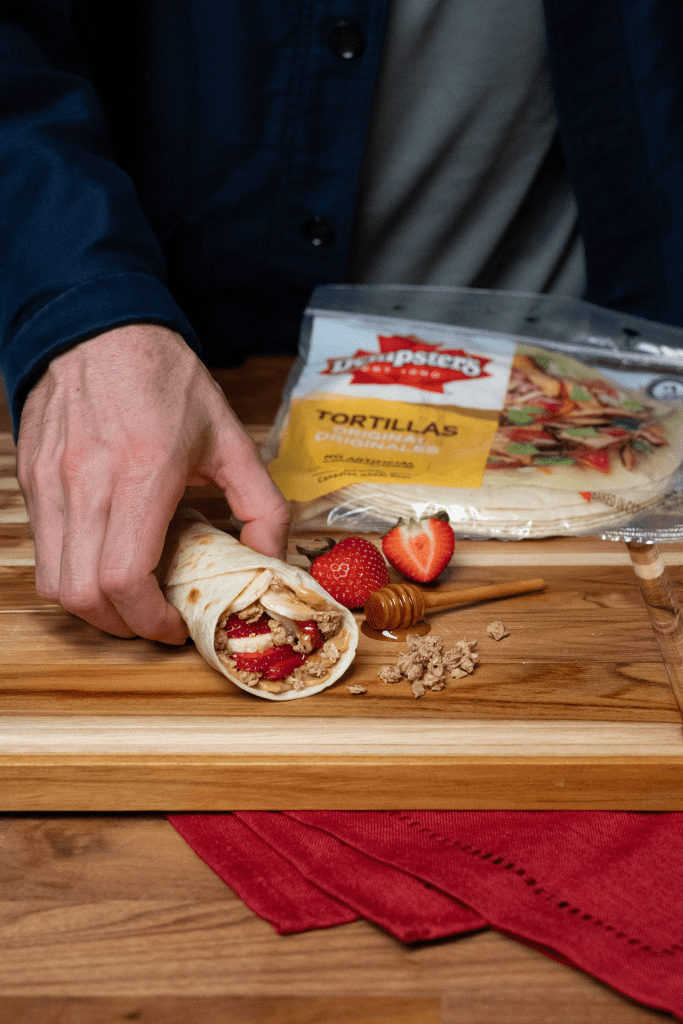
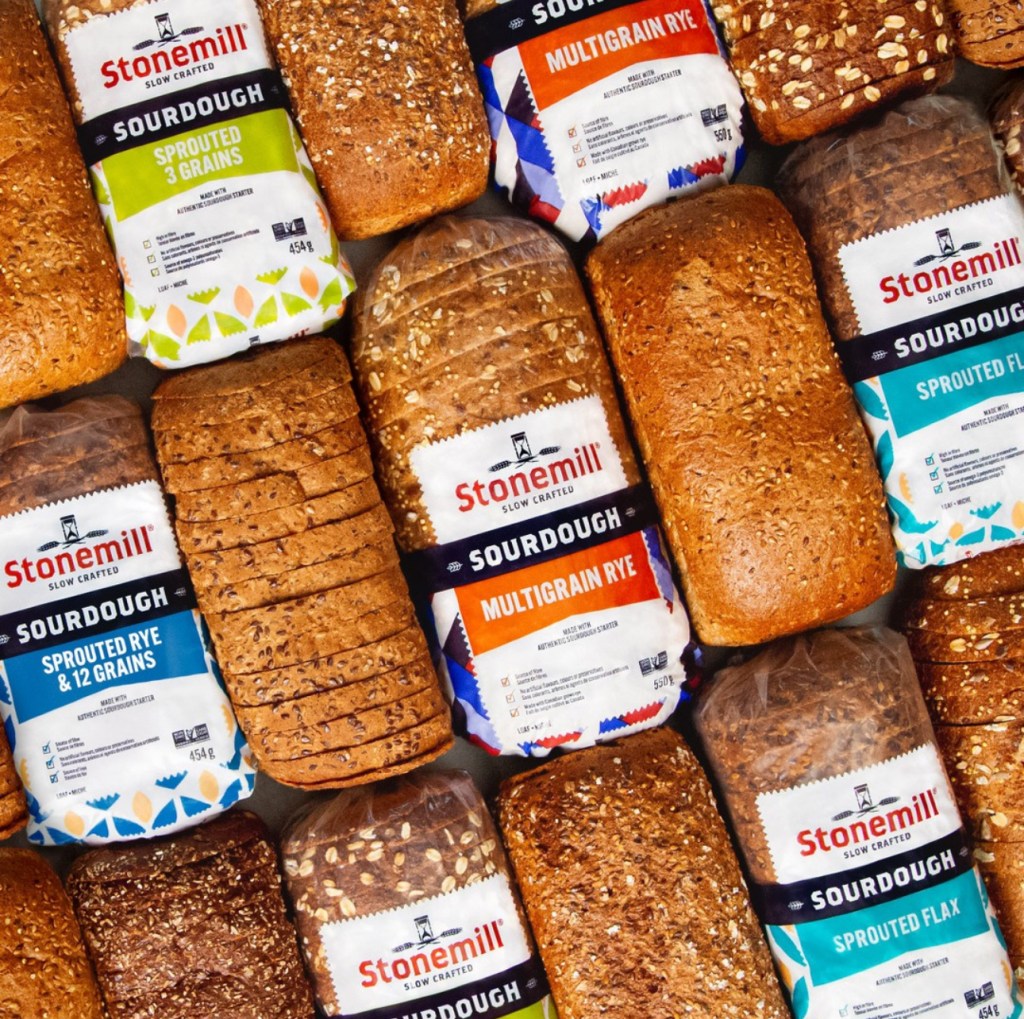
At Phang, we have spearheaded many campaigns connected to food brands such as Miss Likklemore’s (luxury Caribbean restaurant through a collaboration with the clothing brand Motus), Scotty Bons (Caribbean food), Yogen Fruz (frozen yogurt), and bread brands Dempster’s, Stonemill, and Tia Rosa (Grupo Bimbo). These collaborative projects demonstrated how strong visual content and consistent social media strategies can significantly increase engagement and brand awareness.
Food brands benefit particularly from social media because their products are highly visual. High-quality photos, behind-the-scenes kitchen content, and engaging short-form videos allow businesses to highlight the experience of their brand, not just the product itself. When paired with a consistent strategy and consumer research insights, social media marketing can turn online engagement into real-world customers.
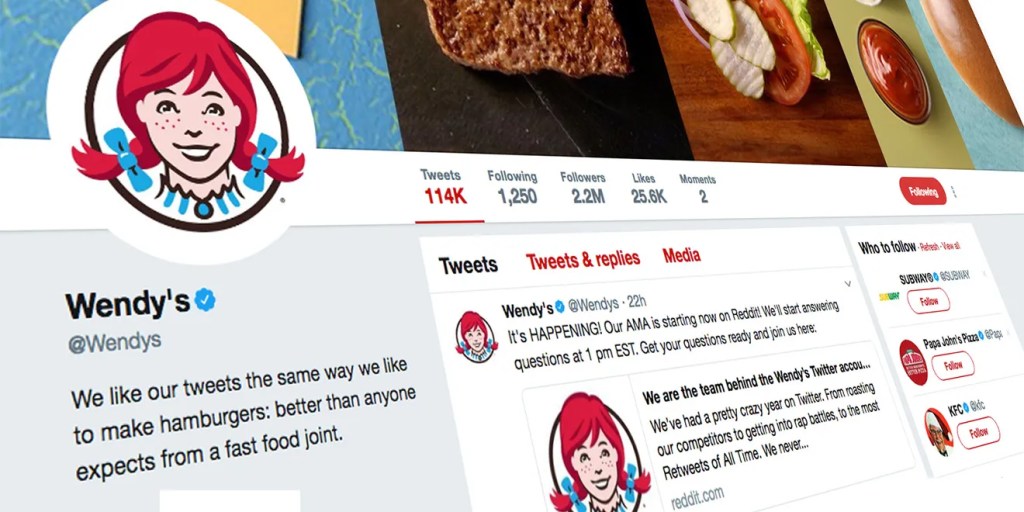
Case Study 1: Wendy’s – Humor, Personality, and Social Media Growth
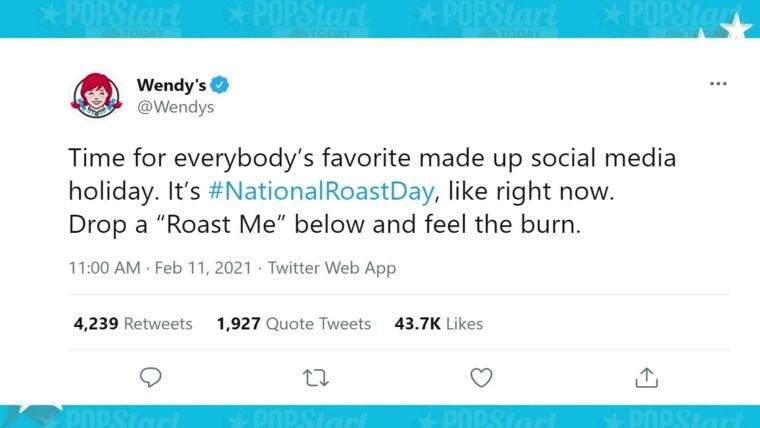
Wendy’s has become a prime example of how social media marketing can transform a food brand’s presence and customer engagement. Known for its clever and humorous posts on Twitter, Wendy’s has built a strong, distinctive online personality that resonates with audiences of all ages. The brand frequently interacts with customers directly, responds to trending topics, and executes campaigns that blend humor with marketing strategy, such as the viral #NuggsForCarter challenge, where a teenager’s tweet about wanting free chicken nuggets led to millions of engagements and global media coverage.
The benefits of this strategy for Wendy’s go far beyond online likes or retweets. By developing a unique brand voice, Wendy’s strengthens consumer loyalty, builds cultural relevance, and increases organic reach without relying solely on traditional advertising. The brand’s approach shows how humor and personality can make social media marketing both engaging and effective. Visual storytelling is also an essential part of Wendy’s strategy: high-quality images of menu items, creative graphics, and short-form video content reinforce the brand’s playful tone while highlighting products in appealing ways.
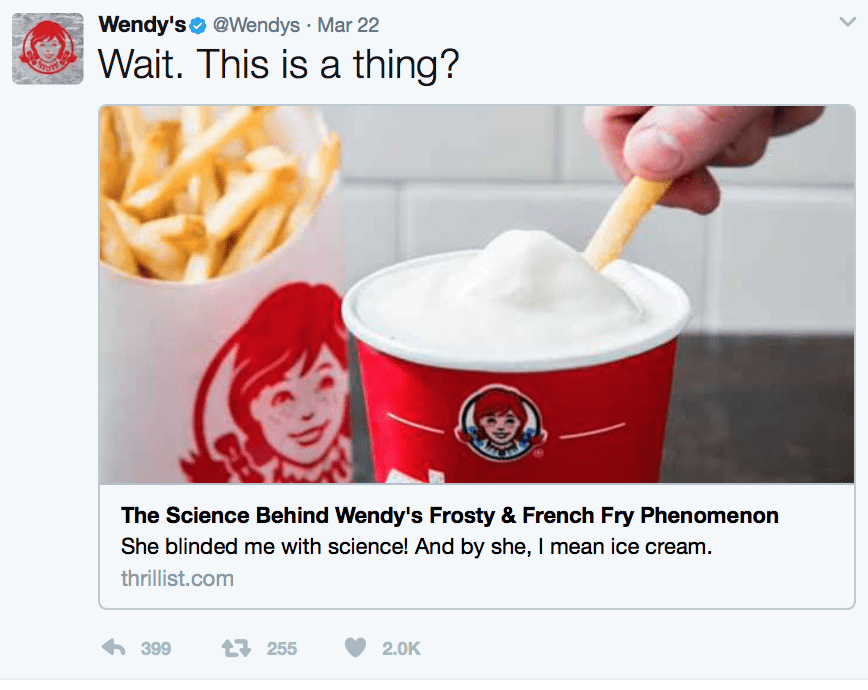
Wendy’s demonstrates that social media growth isn’t just about visibility, it’s about creating meaningful engagement, establishing a recognizable voice, and turning online interactions into real-world brand loyalty. By consistently leveraging both visuals and personality, Wendy’s has become a benchmark for modern social media marketing in the food industry.
Case Study 2: Chipotle – Engaging Audiences Through Visual Campaigns and User-Generated Content
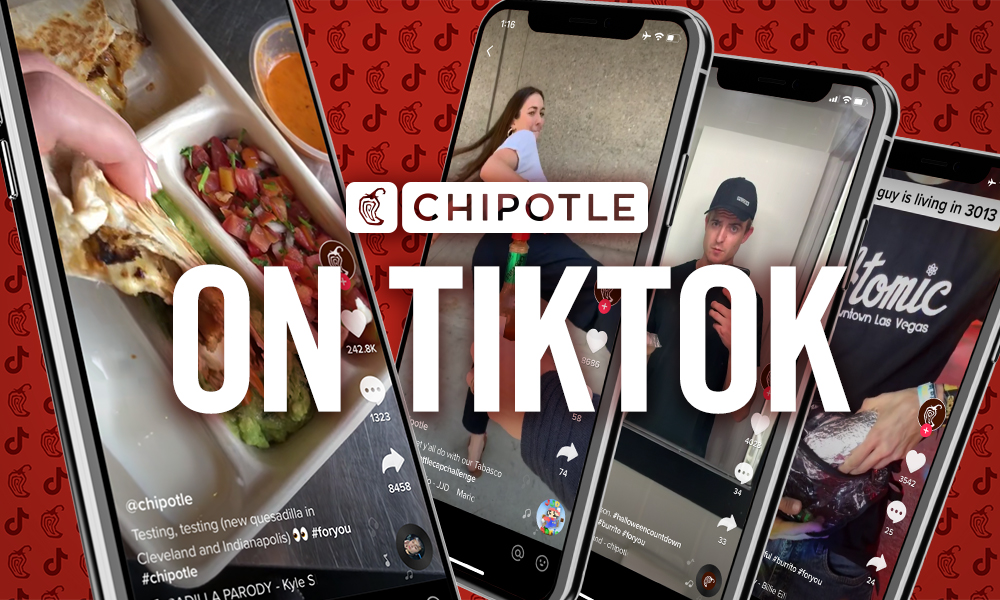
Chipotle has emerged as a leader in food marketing by strategically leveraging social media platforms, especially TikTok and Instagram, to connect with younger audiences. Through short-form video content, influencer partnerships, and viral challenges, the brand has created a visually dynamic social media presence that goes beyond traditional advertising. One of its most notable campaigns, the #GuacDance challenge, encouraged users to post videos dancing with avocado-themed moves for free guacamole, resulting in millions of user-generated posts and record-breaking engagement metrics.

The impact of Chipotle’s social media strategy is multifaceted. Visually appealing content highlights the freshness and quality of the brand’s ingredients, while campaigns encourage participation, creating a sense of community and excitement around the product. By integrating user-generated content into its marketing, Chipotle not only expands its reach but also strengthens brand loyalty and authenticity. Followers feel like they are part of the brand story, which encourages both online engagement and in-store visits.
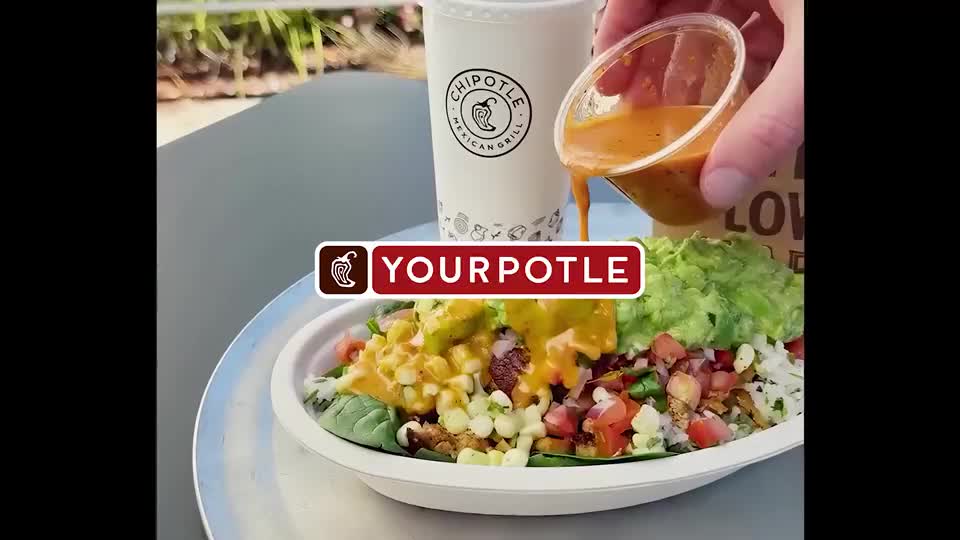
Chipotle’s success illustrates how consistent visual storytelling and interactive campaigns can transform social media into a powerful growth tool. The brand’s approach demonstrates that creative, audience-focused marketing strategies are essential for establishing a strong digital presence, especially in the competitive food and beverage sector. Through playful visuals, engaging challenges, and consistent storytelling, Chipotle has solidified its position as a digitally savvy, culturally relevant brand.
Conclusion: Connecting Audiences, Driving Social Media Growth
As the food industries become increasingly competitive, brands that invest in creative storytelling, strategic visual content, and consistent social media engagement are the ones that truly stand out. From Wendy’s clever brand personality to Chipotle’s viral campaigns, these case studies demonstrate how innovative social media strategies can build brand awareness, foster loyal communities, and drive measurable growth.
At Phang, we leverage these same principles to help food and hospitality brands craft authentic, visually compelling campaigns that connect with audiences, spark conversation, and turn online engagement into real-world results. By combining creativity, data-driven insights, and a deep understanding of cultural trends, we ensure every brand we work with not only captures attention but also leaves a lasting impact.
 Phang Marketing Agency
Leave a comment